
Better lawns, built from the ground up.
Whether your lawn needs fresh sod or a treatment program, we start with your soil, not a sales pitch. A free walk-through tells you which one, and what it costs.
- Licensed & insured
- Nextdoor Neighborhood Fave, 2024, 2025 & 2026
- Free walk-through, no obligation
As Seen In



 Nextdoor Neighborhood Fave, 2024, 2025 & 2026
 Florida-Friendly Landscaping™ Certified Professional
 FNGLA Certified Professional, Palm Beach Chapter
 FDACS-Certified Commercial Fertilizer Applicator
Two services, one standard: done right.
Every job starts with a free soil walk-through, and it points to one of two paths. Here’s what each covers, who it’s for, and what it costs.
Sod Installation & Renovation
Fresh-cut, Florida-grown sod on a properly prepared site. Whether an install lasts for years or thins in a season comes down almost entirely to the preparation.
Best for: bare ground, failed or thinning lawns past treating, standing-water or drainage problems, or switching to a grass that fits your site.
What’s included
- Soil test, pH and base saturation, plus drainage mapped over a full rain cycle
- Grading and drainage correction for standing water or persistent dry spots
- Full vegetation removal, soil conditioning, and pre-emergent weed control
- Cultivar matched to your sun, shade, traffic, and drainage
- Fresh-cut sod laid within 24 hours of harvest, rolled and watered in same-day
- Weekly check-ins through the six-week establishment window
Lawn Treatment Programs
When the foundation is sound, new sod isn’t the answer. A program built from your soil’s own numbers is, on a schedule timed for Palm Beach County.
Best for: established lawns with chronic yellowing, weed pressure, heat stress, or compaction, plus struggling trees, shrubs, and palms that share the soil.
What’s typically included
- Full soil test (pH, base saturation, organic matter) behind every application
- Slow-release nitrogen, potassium, and chelated iron calibrated to your soil chemistry
- Mycorrhizal inoculants, sea kelp, and humic acid to build soil biology
- Micronutrients (iron, manganese, magnesium, zinc) where the test shows a gap
- Core aeration, plus targeted feeding for trees, shrubs, and palms
- Timing that follows your city’s fertilizer rules, with potassium and micronutrients when nitrogen is off-limits
Not sure which you need? That’s what the walk-through is for. See what it includes.
Sod & lawn care reviews, in our neighbors’ words.
Pulled live and unedited, from fresh installations and long-running treatment programs alike.


Florida-grown sod, matched to your yard
Nine cultivars across St. Augustine, Zoysia, and Bermuda, all fresh-cut from Florida farms. Matching one to your soil, light, and traffic is part of the walk-through.
Floratam
Best forOpen, full-sun yards. South Florida’s workhorse St. Augustine: coarse, fast-filling, and heat-hardy.
Palmetto
Best forYards with a mix of sun and dappled shade. Performs well under afternoon tree cover and fills in evenly.

CitraBlue
Best forMature oak canopy or deep shade where other grasses fail. A reliable performer in low light.

ProVista
Best forOwners who want St. Augustine with less mowing and simpler weed control.
Zeon
Best forA soft, fine-bladed, carpet-dense lawn with a high-end look, including yards with some shade.

CitraZoy
Best forRefined lawns in partial shade. Dense and fine-bladed, with a manicured look that reads from the street.

Empire
Best forThe zoysia look with minimal upkeep. Forgiving, resilient, and easy to maintain.
Bimini
Best forOpen, sunny front yards and active households. Handles children, pets, and steady foot traffic year-round.

Celebration
Best forLarge, sunny backyards under heavy use. Near athletic-field durability for homes with pets and weekend activity.
HOA, commercial & public grounds
The same soil-first process, scaled up: documented specs, staged scheduling, and treatment records for boards, property managers, and bid packages.
- HOAs & communities
- Commercial
- Apartments & condos
- Estate & waterfront
- Equestrian & polo
- Golf & country clubs
- Athletic fields
- Schools
- Parks
- Municipal
- Rights-of-way
Lawn care tips for Palm Beach County
Written for our soil, our heat, and our seasons: irrigation timing, fertilizer windows, aeration, weed pressure, and what changes month to month here.
- Why Your New-Construction Lawn Is Dying (and What to Do About It)
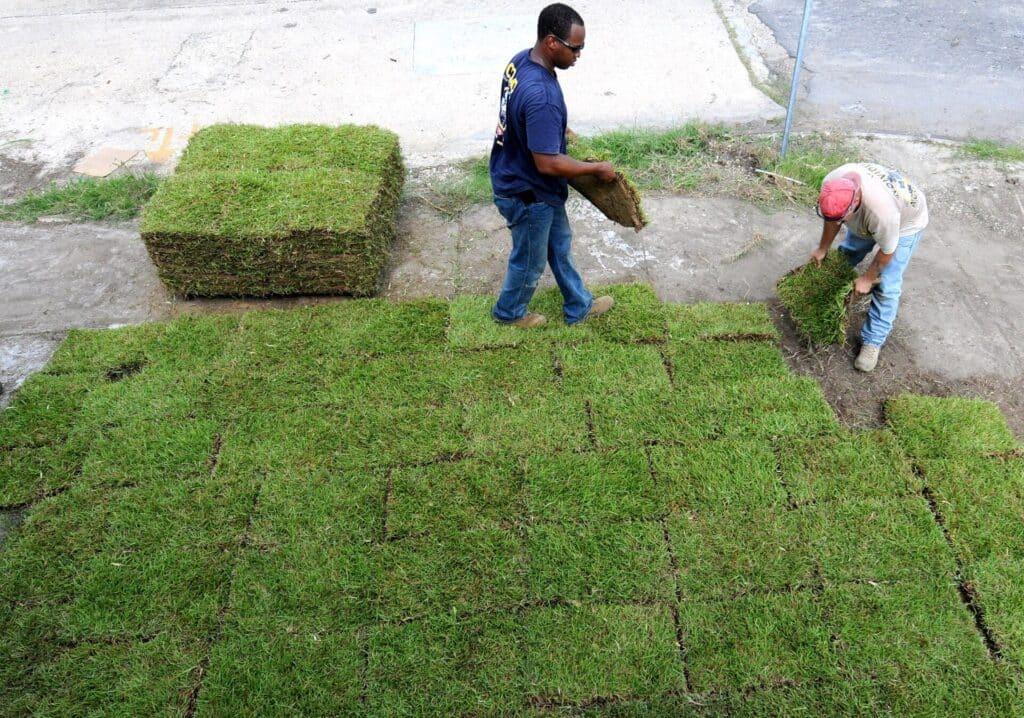 If the sod on your brand-new home looked great at closing and is dying three months later, it’s almost never your fault. The problem is usually what’s underneath … Read more
 - Take-All Root Rot (TARR) in Florida Lawns: How to Spot It, Stop It, and Pick a Tougher Grass
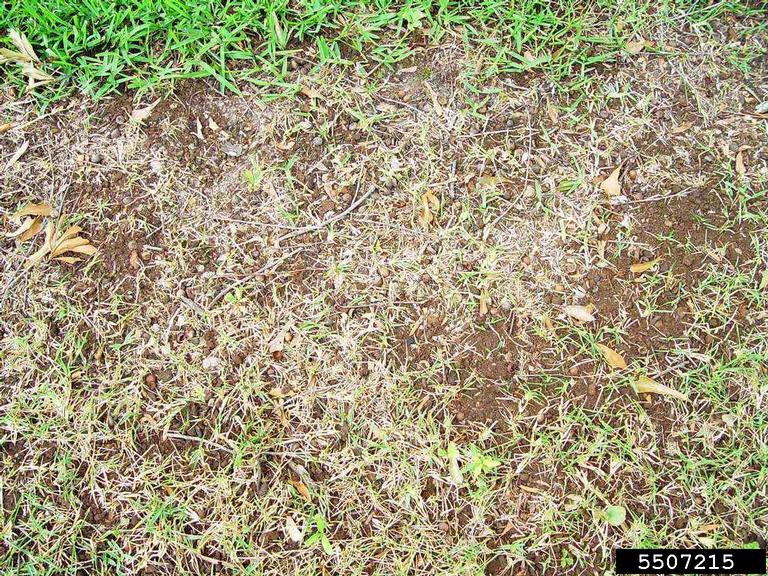 If your St. Augustine has yellow, thinning patches that shrug off fertilizer, look at the roots before you buy another bag of anything. There’s a good chance you’re … Read more
 - Monthly vs. Bi-Monthly Lawn Treatments in South Florida: Which Does Your Lawn Actually Need?
 Every lawn care quote in South Florida eventually lands on the same question: how often should someone actually be out there treating your lawn? Some companies sell monthly … Read more
Sod & lawn care questions, answered plainly.
Do I need a new lawn installed, or can mine be treated?
This is exactly what the walk-through determines, and it’s the first question we answer. When the foundation is sound, with workable soil, the right grass for the site, and adequate drainage, a treatment program can usually restore a struggling lawn without replacing any of it. When the original installation was poor, the variety doesn’t suit the site, or the decline has advanced too far, treatment can’t catch up, and fresh sod is the better investment.
Occasionally the correct answer is to leave the lawn alone for six weeks and reassess. That’s a legitimate recommendation, and one we’d rather give than sell you something you don’t need.
What’s actually in a treatment program, and what does it cost?
A soil-driven feeding plan, not a spray-and-go calendar. Every program starts with a full soil test, covering pH, base saturation, and organic matter, so each application has a defined purpose: slow-release nitrogen, potassium, chelated iron, mycorrhizal inoculants and biostimulants, soil conditioner, the micronutrients the test calls for, core aeration, and targeted feeding for the trees, shrubs, and palms that share the soil.
Programs start at $149 per visit, run six to twelve visits a year, and are billed per visit rather than monthly. No two properties get an identical schedule, because no two soil tests come back the same.
Is there a summer fertilizer ban where I live?
It depends on your city, not the county. Palm Beach County has no countywide calendar ban. Its rule is weather-based: no nitrogen or phosphorus during storm watches, before heavy rain, or on saturated soil. A few municipalities add fixed summer dates of their own, and we follow whichever rules apply at your address.
When nitrogen is off the table, the lawn still gets fed. Potassium isn’t restricted, and it drives root strength, drought tolerance, and disease resistance, so it carries the summer program alongside chelated iron, micronutrients, and biostimulants. See the city-by-city rules.
Why is my St. Augustine yellow even after fertilizing?
When a lawn has been fertilized and still looks tired, the cause is almost always pH, not nitrogen. South Florida soils tend to run alkaline, which chemically locks iron, manganese, and zinc away from the plant. The nutrients are present in the soil; the grass simply can’t access them.
Sandy ground compounds the problem, flushing much of what’s applied through the root zone before the plant can use it. The remedy is consistent: test the soil, correct the pH, and build organic matter with conditioner and biology. Only then does fertilizer perform as intended.
Serving all of Palm Beach County, from Jupiter to Boca.
Not sure you’re in range? Call (561) 941-4769 and we’ll confirm.
Book a free soil walk-through in Palm Beach County
Most homeowners we meet were sold a solution before anyone looked at their soil. We work in the opposite order, and you leave with a clear answer either way.
- Measure the propertySquare footage and layout mapped zone by zone, so every figure reflects your actual yard.
- Test the soilSamples from two or three representative spots, analyzed for pH and the nutrients that drive turf health here.
- Assess the whole yardSun and shade, drainage, existing turf, and an irrigation wet check with every zone run.
- Diagnose the causeCompaction, drainage, pH, pests, shade, or a failed install, found before anything is recommended.
- Get a one-page planA clear recommendation and priorities: install, renovate, treat, or hold.
Prefer to write?
Tell us what you’re seeing and what you’ve tried. We usually reply within one business day, by phone or email, whichever you prefer.